
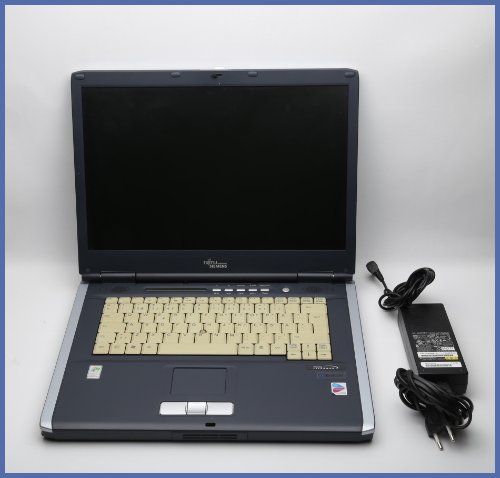
Fujitsu Siemens Lifebook C1320
I have the main unit and power adapter
type computer
country Japan/German
year 2005
os MS Windows XP Professional
cpu Intel Pentium M 750
speed 1.86 GHz
ram 512 MB
hd 60 GB
dvd DVD+-RW
graphic Intel GMA 900
sound Realtek ALC260 Stereo Speakers
ports PC Card, ExpressCard, parallel, USB (4), IrDA, FireWire, Ethernet, modem, VGA, RS-323, S-video out, headphone, microphone, docking
The Fujitsu Siemens LifeBook C1320 — The Business Convertible
The Fujitsu Siemens LifeBook C1320 was a convertible tablet PC produced under the LifeBook brand — Fujitsu’s line of business-oriented laptops designed for professional users who needed reliable, durable portable computing in corporate environments. The LifeBook series was known for its premium build quality, comprehensive business features, and Fujitsu’s attention to the needs of mobile professionals. The C1320 represented the convertible form factor — a laptop that could also function as a tablet by rotating and folding the display flat against the keyboard.
The LifeBook Brand
Fujitsu’s LifeBook brand, established in the 1990s, became synonymous with premium business laptops in European and Japanese markets. The brand name reflected the concept of a computer designed to support the full lifecycle of professional work — reliable enough to trust with critical business data, durable enough to withstand daily professional use, and capable enough to run the demanding business applications of the era. LifeBooks were particularly popular in government, financial services, and healthcare environments where reliability and security were paramount.
The Convertible Concept
Convertible tablet PCs like the C1320 represented an early attempt to combine laptop and tablet functionality before Apple’s iPad redefined what a tablet computer should be. These Windows XP Tablet Edition devices could be used as conventional laptops with a keyboard, or rotated into tablet mode for pen-based input — useful for form filling, annotating documents, and presentations. While the convertible concept predated the iPad by several years, the weight and complexity of these early devices limited their adoption compared to the ultra-thin tablets that followed.